Equine Air Scent Detection
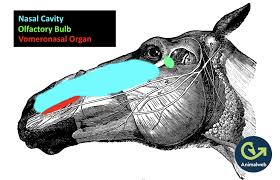
Equine air scent detection is the use of a horse’s natural ability to identify airborne human scent to help locate lost or missing persons during search and rescue operations. Humans constantly shed microscopic scent particles that are carried by wind and terrain, forming scent cones that animals with strong olfactory systems can detect. Horses possess an acute sense of smell, along with heightened awareness as prey animals, allowing them to notice scent, sound, and movement long before their riders do. When trained to recognize and indicate human scent, horses can alert riders to the presence or direction of a missing subject, even when the person is hidden by vegetation, terrain, or darkness.
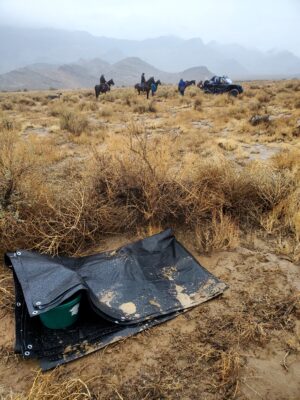
Mounted Search and Rescue (MSAR) teams utilize air scent detection to increase search effectiveness, speed, and coverage across large or rugged areas. From elevated vantage points and with superior stamina over long distances, mounted teams can identify scent, observe behavioral changes, and rapidly investigate scent indicators. This skill has been championed and advanced significantly by Terry Nowacki, a nationally recognized trainer and leading advocate for equine scent detection in search and rescue. His methods have helped establish structured training programs that allow mounted units to harness the horse’s natural abilities, improving the odds of finding lost persons quickly and safely.